MCP (Model Context Protocol): why you should care
By Álvaro García Guerrero · Apr 2026 · 4 min
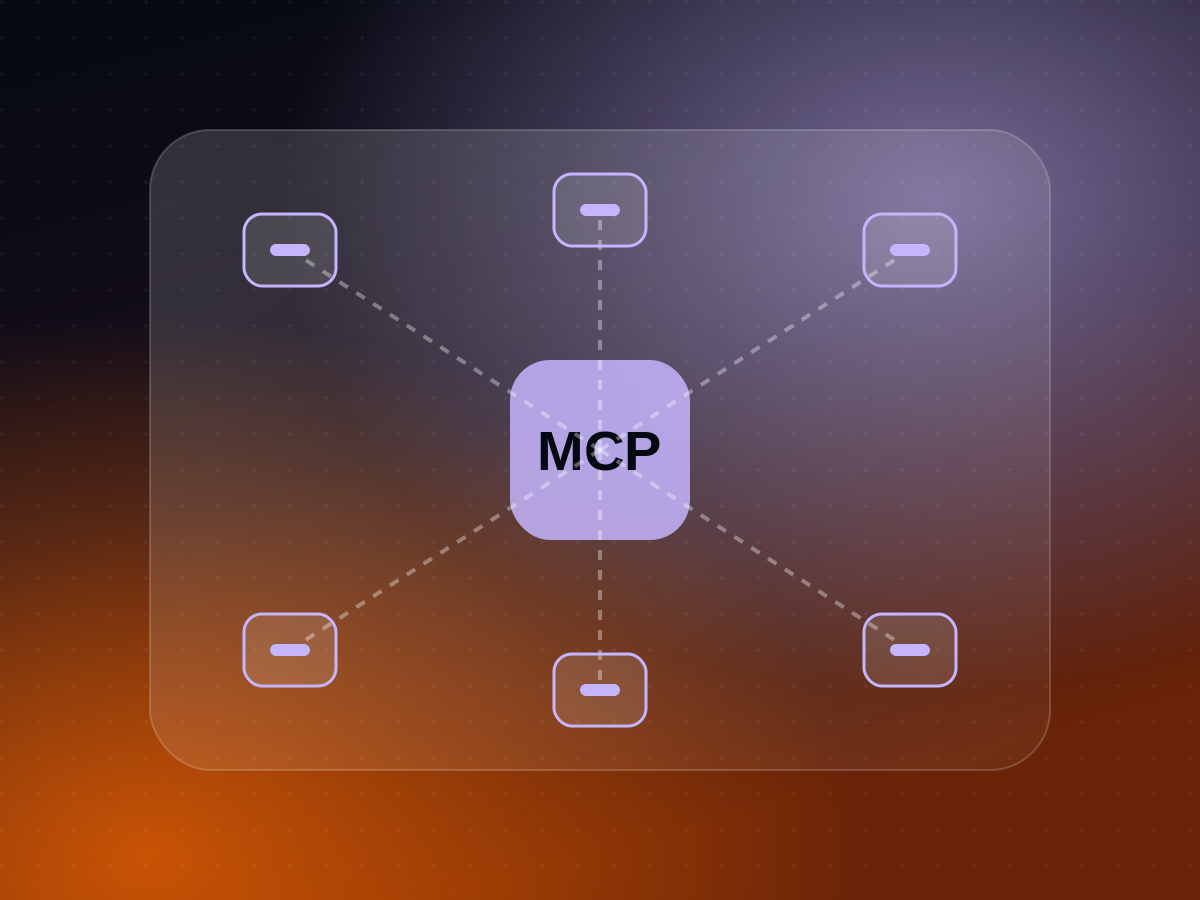
The Model Context Protocol (MCP) is an open standard defining how a language model connects with external tools, data and systems. It sounds technical, but its product implication is huge: it turns AI from an isolated text box into an agent capable of acting on your real world.
Before MCP, each integration between a model and a tool was handcrafted and fragile. With MCP, those connections become composable: one agent can read your calendar, query your database and create a ticket, following a common contract with explicit permissions.
For a Product Manager this opens a new space. Products stop competing only on their interface and start competing on which actions they enable and with what context. The design question is no longer "which screens?" but "what can the agent do on the user's behalf, and how do we keep it safe?".
In recent projects we are using it so internal agents access controlled sources without exposing sensitive data. The product key is in permission design and transparency: the user must understand what the agent does, be able to review it and be able to stop it.